
Blog / Avenel Hyundai Service

Blog

All Avenel Hyundai Service Avenel Hyundai Dealer Hyundai Santa Fe Hyundai Tucson Hyundai Elantra Hyundai Kona Hyundai Information Hyundai Palisade Hyundai dealership Hyundai Tucson Hybrid Avenel Used Cars Hyundai Elantra Hybrid Hyundai Sonata Hyundai IONIQ 5 Hyundai Parts Hyundai Santa Cruz Hyundai service Hyundai Tires Hyundai Tucson Plug-in Hybrid Sansone Hyundai Service Hyundai IONIQ 6 Hyundai IONIQ 9 Hyundai Kona Electric Hyundai Santa Fe Hybrid Hyundai Specials Hyundai Tucson SE Hyundai Venue
Car mechanic with tire

Hyundai Parts 101: Spare Tire FAQ

Having a spare tire in your car at all times is essential for safe driving, especially when emergencies strike. Here’s everything you need to know about these essential Hyundai parts, and how Sansone Hyundai can help you find spare tires for your car. more When Do I Need a Spare Tire? When one of your vehicle’s tires is damaged on the road, a spare tire can help you reach a service station for a replacement. Since you can’t predict when an emergency might strike, we recommend driving with a spare tire and replacement kit inside your vehicle at all times. Can I Use Any Tire If I’m In Need of a Spare? Spare tires are designed for specific models. This means that you can’t simply use any tire to replace a damaged one, and you should never attempt to use someone else’s spare unless they drive a vehicle that is the same make and model as yours. How Long Can I Drive in a Spare Tire? Spare tires are not for regular driving. You should only use them to get your car to a service center so you can have a full-sized tire installed. Try to avoid driving for more than 50 miles with a spare tire and do not exceed 50 miles per hour. Where Can I Get a Spare Tire? Many new Hyundai models come with spare tires included. However, in some cases, you’ll need to purchase your own. If you’re in the Woodbridge, NJ area and need a spare tire for your Hyundai vehicle, Sansone Hyundai is the best place to go to find trustworthy Hyundai parts that were made for your car. Order Hyundai Parts at Sansone Hyundai Contact us today to order a spare tire for your vehicle. Our Hyundai service department can also help you install a replacement tire for regular use. Visit us today to start driving with confidence!


Tire Pressure

Hyundai Service Tips: How to Prepare Your Car for a Summer Road Trip

There’s no better way to enjoy a road trip than behind the wheel of your beloved Hyundai car. But before you embark on some cross-country exploration for the summer, there are a few things you should do to get your car ready. Here are some Hyundai service tasks to prepare for a summer road trip, courtesy of Sansone Hyundai. more 1.      Check Tire Pressure No one wants to be stuck miles from home with a flat tire, so before you leave, inspect all four tires carefully. Confirm that they’re all in good working condition and make sure the tire pressure is sufficient. 2.      Test Brakes Failed brakes can be deadly, and you should always test yours before a long road trip. Unusual sounds or vibrations could hint at a problem with the brake hardware that a Hyundai service technician can help you address ahead of your road trip. 3.      Do Some Cleaning This is a perfect time to give your Hyundai car a good clean-out. Since you’re going to be spending hours in the driver’s seat, put some extra effort into keeping it clean and comfortable for the long ride ahead. 4.      Schedule an Oil Change Oil is vital to your car’s functioning, and it’s recommended that you get an oil change at least once every six months or every 5,000 miles. Keeping up with oil changes is an important part of preparing for a road trip that may take a toll on your car. It’s also a good idea to top off the radiator, brake, power steering, transmission, and windshield wiper fluids. Visit Sansone Hyundai for Hyundai Service The best place to go for top-tier service is the service department at Sansone Hyundai. Our experienced technicians can help you keep your Hyundai car up and running for miles. Plus, we can offer genuine OEM Hyundai parts that are made for your car. Make us the first stop on your summer road trip this year!

Dog looking out window

5 Hyundai Service Tasks to Prepare for Spring

Icy climates and winter roads can be tough on your Hyundai car, so as spring rolls in, it’s important to make sure you’re up to date on all your vehicle’s routine maintenance tasks. Courtesy of Sansone Hyundai, here are some of the top Hyundai service tasks to prepare for spring. more 1.      Check Your Tires Our team can inspect your tires for any damage they may have incurred on turbulent winter roads. We’ll also ensure that they are properly aligned and inflated, and we’ll measure the tread depth to make sure it isn’t too shallow. 2.      Schedule an Oil Change To keep your engine oil fresh and clean so that it can lubricate your engine properly, you need to get it changed at least once every six months. If you haven’t already, book an oil change at our Hyundai service center today. 3.      Inspect Your Brakes Salt, mud, and ice melt chemicals can cause rust and corrosion on your brake hardware. Our Hyundai technicians can examine your brakes carefully for signs of damage or degradation. 4.      Replace Filters Oil filters, fuel filters, air filters, cabin air filters, and PCV valves all need to be replaced regularly to keep them clean and functional. If you are overdue for replacements, now is a good time to look at purchasing new filters for your Hyundai car. 5.      Turn On the A/C If you haven’t done so in a while, turn on your car’s A/C to make sure it is working properly. If you notice any issues, make sure to get them looked at before you end up stuck in the hot summer weather with no cool air. Visit Our Sansone Hyundai Service Center For all Hyundai service needs, including tire rotations, oil filters, and repairs, our Sansone Hyundai service center is the best place to go. Our expert technicians know how to work with Hyundai vehicles of all kinds and can provide quick and reliable maintenance work. Be sure to check out our website to order high-quality Hyundai parts online. We’re always happy to help!

Jump Starting a Car

Hyundai Service Tips: How to Jump-Start Your Car

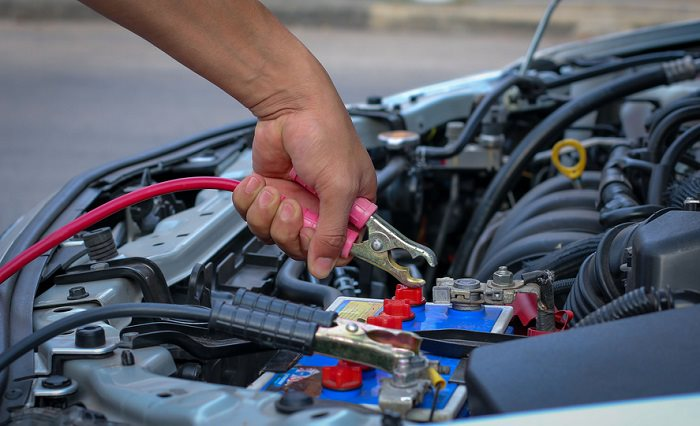
If you’ve ever had a dead battery, you probably remember how frustrating it was when your car wouldn't start. Although regular Hyundai service can prevent situations like this from happening, knowing how to jump-start your battery can be useful. Take a look at these steps to help you jump-start your car. more 1. Find Another Vehicle Once you’ve attempted to turn on your engine a few times, you’ll want to call someone available to meet you where you’re parked. Before you arrange for them to meet you, you’ll want to make sure one of you has a set of jumper cables, as you’ll need them to jump-start the battery. 2. Make Sure the Cars are Facing Each Other Once you find someone to meet you, ensure they park nose-to-nose with your vehicle. Then, turn off each engine, set each car to park, pop the hoods, and ensure the emergency brakes are on before moving to the next step. 3. Connect the Cables Once you have both vehicles set up, you’ll want to connect one end of the red cable to the dead battery’s positive terminal and the other end to the working car’s positive terminal. Next, you’ll want to clamp the end of the black cable to the working battery’s negative terminal and the other end to an unpainted metal surface on the dead vehicle, like a bolt. Start Your Engine After all the cables are correctly connected, go to the working car and turn on the ignition. Let the car run before testing the engine on the dead car. If it doesn’t start after a few times, don’t attempt to try more than four times in a row, as this could flood the engine and cause damage. For more information about our services, please visit our Woodbridge Hyundai dealership, where a staff member will happily answer your questions.

A car driving in the snow.

Hyundai Service Tasks to Prepare Your Car for Winter

Winter weather is approaching quickly, and drivers in the Northeastern US know more than anyone how much snow, ice, and low temperatures can affect your vehicle. Here are some tips for winterizing your car from our Sansone Hyundai service center. more 1. Tire Maintenance As your only point of contact with the road, tires are one of the most important parts of your vehicle and should be maintained accordingly. Make sure the pressure is correct, as underinflated tires can be dangerous on icy or snowy roads. You should also check your tires’ tread to ensure there is still plenty of tread depth left. You can try the “penny test”—take a penny and put it upside-down into your tire tread. If you can see the top of Lincoln’s head, it’s time to replace the tires. 2. Change Fluids Extreme temperatures can wreak havoc on your Hyundai vehicle’s internal systems. That’s why it’s important to check crucial functions, such as your vehicle’s fluids. The cold can cause them to flow slowly, putting stress on the engine and other vital Hyundai parts. An oil change and antifreeze refresh are always a good idea as the temperatures drop to avoid any unforeseen issues with the cold. 3. Check Your Heat There’s nothing worse than getting into a freezing car and realizing that your heat doesn’t work properly. If you end up stranded in the snow somewhere, a lack of proper heating can be dangerous. Our service technicians can inspect your heating system to ensure you don’t run into any issues in the cold. 4. Inspect Battery Most drivers know that cold weather decreases your car’s battery capacity, but it’s still not uncommon to see plenty of cars getting jump-started as frigid weather arrives. One of our Sansone Hyundai professionals can inspect your battery, its fluid, and its cables to help prevent electrical issues. To learn more about how you can winterize your vehicle, contact our New Jersey Hyundai service center today. Our trained technicians will ensure that your car is ready to tackle cold weather.

Hyundai Certified Pre-Owned

4 Signs You Need a Hyundai Service Appointment

At Sansone Hyundai, we don’t just pride ourselves on offering a quality selection of new and pre-owned vehicles in Avenel, NJ. We also run a dedicated Hyundai Service Center staffed by highly trained technicians who are sure to take great care of your vehicle. Here are four signs that it’s time for you to schedule a service visit for your Hyundai car. 1. Check Engine Light The first and most apparent sign that your vehicle needs service is the check engine light. This handy warning light was created to warn drivers that there may be an issue associated with one of several systems that it monitors. If your check engine light appears, it’s time to contact our New Jersey Hyundai dealership for a visit. 2. Rattles and Vibrations It’s never a good thing if you feel any sort of abnormal movement from your car, such as clunking, rattling, or excessive vibration. These issues can be caused by any number of different problems, both under the hood or throughout the suspension. If you notice any of these issues, it’s best to refrain from taking unnecessary drives and schedule a Hyundai service visit as soon as possible. 3. Odd Smells If you’re smelling something in your car that seems off, it could be several things—the engine oil, the catalytic converter, the electrical system, or more. While some issues caused by odd smells are minor, this can also be an indication of a severe problem that needs immediate attention. 4. Smoke One thing that always means there’s a serious issue is smoke issuing from your vehicle. A common cause is engine overheating, but this can lead to serious problems if the root cause is not addressed. If you see smoke coming from anywhere in your vehicle, it’s best to visit a service center right away. If you have questions about when to schedule your next service visit, contact Sansone Hyundai today to learn more!

car-parts-shape-of-whip

Why You Should Buy OEM Hyundai Parts from Sansone Hyundai

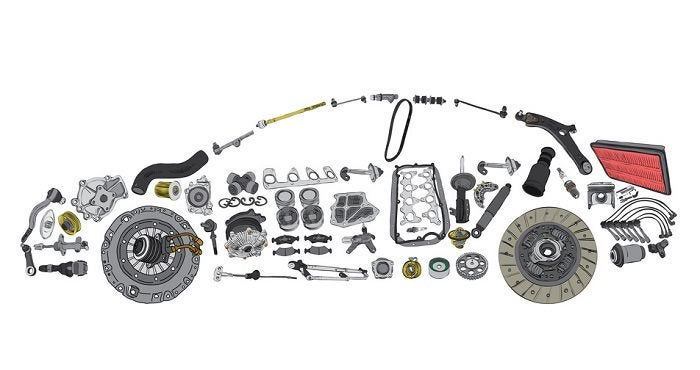
Have you ever shopped for new car parts, only to be overwhelmed by the vast selection, brand names, and sellers? Fear not — Sansone Hyundai is your trusted provider for genuine OEM Hyundai parts. Here’s an overview of why you should buy our parts, and how to get started. What Are ‘OEM’ Parts? “OEM” stands for “original equipment manufacturer,” which means the same company that made the car made the parts as well. This is important because the parts were specifically designed for the original vehicles and are guaranteed to function properly. Aftermarket parts, on the other hand, are created by third-party factories that are not affiliated with Hyundai or other carmakers. They tend to take more of a “one-size-fits-all" approach to parts, which often means they’re cheaper than the genuine alternative. Why Should I Use OEM Hyundai Parts? As stated above, OEM parts are created to work only for the vehicles they’re branded with. Aftermarket parts may tend to be cheaper, but they don’t always function as well as genuine parts. Because they aren’t designed for your Nissan car, they’re a lot more likely to malfunction and not work properly, even potentially causing damage to your vehicle. How to Order OEM Hyundai Parts To order genuine OEM Hyundai parts, it’s as simple as visiting Sansone Hyundai to make your order through our dealership. This way, you can ensure you’re getting the genuine parts you need for your vehicle. We can have them shipped to our New York dealership, and you can even have them installed right here at Sansone Hyundai. Call or visit us today to get started on your OEM Hyundai parts order.

car parts

What are OEM Hyundai Parts and Why Are They Important?

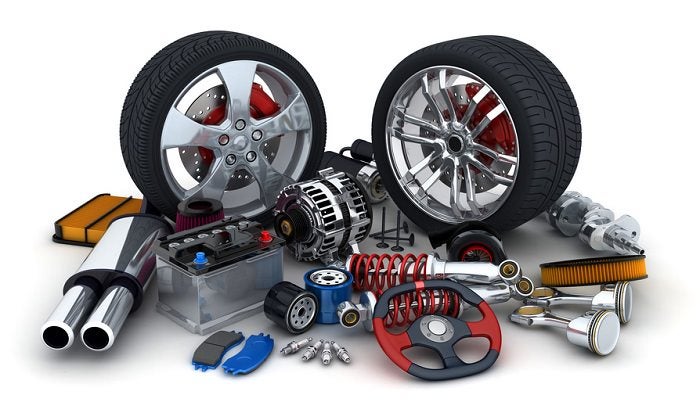
When you replace or upgrade Hyundai parts in your vehicle, one of the choices that you’ll face is whether to use OEM parts or aftermarket parts. If you’re new to the parts-buying process, these may be unfamiliar terms. However, here at Sansone Hyundai, our team of certified mechanics is happy to tell you why we only sell OEM parts at our Hyundai parts department. What are OEM Parts? OEM stands for Original Equipment Manufacturer. This means that OEM parts are exactly the same as the parts that come with your vehicle. When you opt for OEM parts, you’ll receive components that were designed specifically for your vehicle by the people who know it best. In contrast, aftermarket parts are often cheaply mass-produced and designed to fit in a variety of vehicles. While you may think that a part will fit into the specific make and model of your Hyundai car, the truth is that aftermarket parts often do not perform as well and are not as long-lasting as OEM parts. Why Should You Choose OEM Parts? There are many benefits of choosing OEM parts over aftermarket parts. Here’s why value- and quality-conscious drivers prefer OEM parts: Easy buying process: Those who search for aftermarket parts may need to spend hours searching all the different options. In contrast, you can visit our parts department, and our experts will know the exact part that you need. Warranty coverage: The majority of OEM car parts come backed with superior OEM warranty coverage. Designed to fit your vehicle: Aftermarket parts may need to be cut or modified to fit your vehicle, while OEM parts are guaranteed to work properly. Shop our large selection of high-quality OEM Hyundai parts right here at Sansone Hyundai.

Oil Change Durty

Hyundai Oil Change Service 101

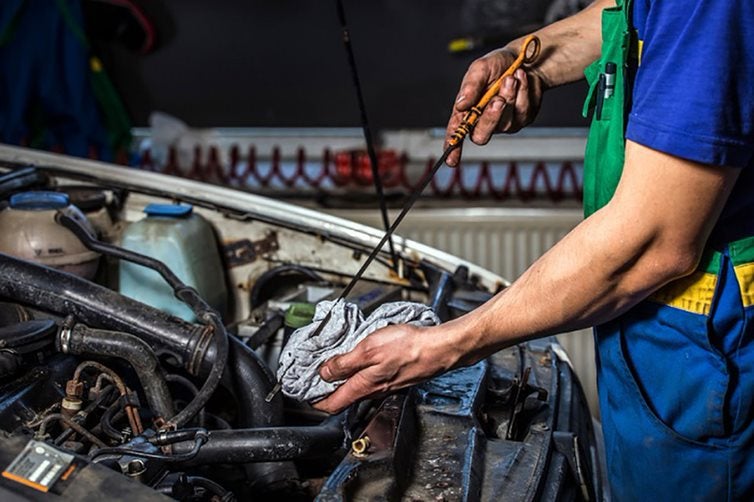
Getting regular oil changes is one of the cornerstones of responsible Hyundai service. In addition to extending the life of your car, fresh oil keeps your engine running smoothly and lubricates engine components. If you’re one of the many Avenel drivers wondering, “where can I get high-quality oil changes and other types of Hyundai service near me?“, the answer is Sansone Hyundai. How Often Do I Need Oil Changes? The owner’s manual of your specific Hyundai model will have an estimated oil change interval that should be followed. Beyond that, the oil change frequency depends on a number of different factors. Your frequency of oil changes should increase if your driving conditions match any of the following: Repeated short-distance trips Driving in dusty conditions Driving in areas where excessive road salt is used Driving on rough or muddy roads Driving in mountainous areas Extensive use of brakes More than 50 percent of driving in heavy traffic in above 90-degree weather Excessive periods of idling or low-speed operation What Type of Oil Does My Car Need? When it’s time for your Hyundai oil change, our mechanic will know. Again, this information should be in your owner’s manual. Benefits of Regular Oil Changes You may be tempted to save a few bucks and skip your regular oil change. However, doing so is not recommended, as it can lead to reduced performance and can cost you more in the long run, as you’ll need to pay for repairs. Here are some other benefits of regular oil changes: Better performance Better gas mileage Less harmful emissions Extended engine life Schedule your Hyundai oil change today at Sansone Hyundai.

Contact Us

Fill out this form below and we'll contact you shortly

By submitting your information, you agree to the sharing of your information between Hyundai Motor America and its authorized dealers.

*Required Fields