

Blog / Avenel Hyundai Service

Hyundai Parts 101: Spare Tire FAQ

Car mechanic with tire

Having a spare tire in your car at all times is essential for safe driving, especially when emergencies strike. Here’s everything you need to know about these essential Hyundai parts, and how Sansone Hyundai can help you find spare tires for your car.

When Do I Need a Spare Tire?

When one of your vehicle’s tires is damaged on the road, a spare tire can help you reach a service station for a replacement. Since you can’t predict when an emergency might strike, we recommend driving with a spare tire and replacement kit inside your vehicle at all times.

Can I Use Any Tire If I’m In Need of a Spare?

Spare tires are designed for specific models. This means that you can’t simply use any tire to replace a damaged one, and you should never attempt to use someone else’s spare unless they drive a vehicle that is the same make and model as yours.

How Long Can I Drive in a Spare Tire?

Spare tires are not for regular driving. You should only use them to get your car to a service center so you can have a full-sized tire installed. Try to avoid driving for more than 50 miles with a spare tire and do not exceed 50 miles per hour.

Where Can I Get a Spare Tire?

Many new Hyundai models come with spare tires included. However, in some cases, you’ll need to purchase your own. If you’re in the Woodbridge, NJ area and need a spare tire for your Hyundai vehicle, Sansone Hyundai is the best place to go to find trustworthy Hyundai parts that were made for your car.

Order Hyundai Parts at Sansone Hyundai

Contact us today to order a spare tire for your vehicle. Our Hyundai service department can also help you install a replacement tire for regular use. Visit us today to start driving with confidence!

Posted in:

Related Posts

Tire Pressure

Hyundai Service Tips: How to Prepare Your Car for a Summer Road Trip

There’s no better way to enjoy a road trip than behind the wheel of your beloved Hyundai car. But before you embark on some cross-country exploration for the summer, there are a few things you should do to get your car ready. Here are some Hyundai service tasks to prepare for a summer road trip, courtesy of Sansone Hyundai. more 1.      Check Tire Pressure No one wants to be stuck miles from home with a flat tire, so before you leave, inspect all four tires carefully. Confirm that they’re all in good working condition and make sure the tire pressure is sufficient. 2.      Test Brakes Failed brakes can be deadly, and you should always test yours before a long road trip. Unusual sounds or vibrations could hint at a problem with the brake hardware that a Hyundai service technician can help you address ahead of your road trip. 3.      Do Some Cleaning This is a perfect time to give your Hyundai car a good clean-out. Since you’re going to be spending hours in the driver’s seat, put some extra effort into keeping it clean and comfortable for the long ride ahead. 4.      Schedule an Oil Change Oil is vital to your car’s functioning, and it’s recommended that you get an oil change at least once every six months or every 5,000 miles. Keeping up with oil changes is an important part of preparing for a road trip that may take a toll on your car. It’s also a good idea to top off the radiator, brake, power steering, transmission, and windshield wiper fluids. Visit Sansone Hyundai for Hyundai Service The best place to go for top-tier service is the service department at Sansone Hyundai. Our experienced technicians can help you keep your Hyundai car up and running for miles. Plus, we can offer genuine OEM Hyundai parts that are made for your car. Make us the first stop on your summer road trip this year!

Dog looking out window

5 Hyundai Service Tasks to Prepare for Spring

Icy climates and winter roads can be tough on your Hyundai car, so as spring rolls in, it’s important to make sure you’re up to date on all your vehicle’s routine maintenance tasks. Courtesy of Sansone Hyundai, here are some of the top Hyundai service tasks to prepare for spring. more 1.      Check Your Tires Our team can inspect your tires for any damage they may have incurred on turbulent winter roads. We’ll also ensure that they are properly aligned and inflated, and we’ll measure the tread depth to make sure it isn’t too shallow. 2.      Schedule an Oil Change To keep your engine oil fresh and clean so that it can lubricate your engine properly, you need to get it changed at least once every six months. If you haven’t already, book an oil change at our Hyundai service center today. 3.      Inspect Your Brakes Salt, mud, and ice melt chemicals can cause rust and corrosion on your brake hardware. Our Hyundai technicians can examine your brakes carefully for signs of damage or degradation. 4.      Replace Filters Oil filters, fuel filters, air filters, cabin air filters, and PCV valves all need to be replaced regularly to keep them clean and functional. If you are overdue for replacements, now is a good time to look at purchasing new filters for your Hyundai car. 5.      Turn On the A/C If you haven’t done so in a while, turn on your car’s A/C to make sure it is working properly. If you notice any issues, make sure to get them looked at before you end up stuck in the hot summer weather with no cool air. Visit Our Sansone Hyundai Service Center For all Hyundai service needs, including tire rotations, oil filters, and repairs, our Sansone Hyundai service center is the best place to go. Our expert technicians know how to work with Hyundai vehicles of all kinds and can provide quick and reliable maintenance work. Be sure to check out our website to order high-quality Hyundai parts online. We’re always happy to help!

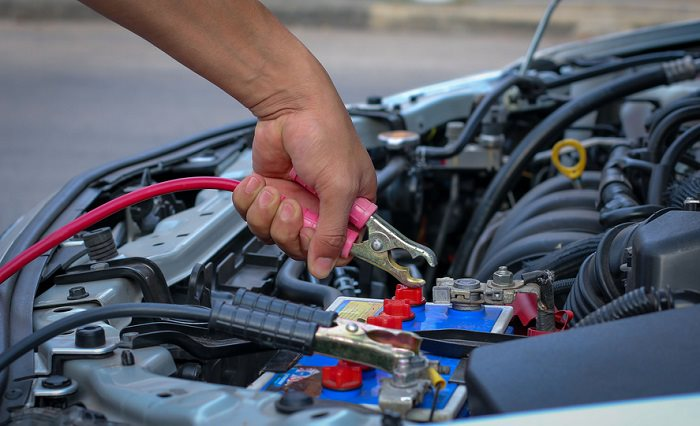
Jump Starting a Car

Hyundai Service Tips: How to Jump-Start Your Car

If you’ve ever had a dead battery, you probably remember how frustrating it was when your car wouldn't start. Although regular Hyundai service can prevent situations like this from happening, knowing how to jump-start your battery can be useful. Take a look at these steps to help you jump-start your car. more 1. Find Another Vehicle Once you’ve attempted to turn on your engine a few times, you’ll want to call someone available to meet you where you’re parked. Before you arrange for them to meet you, you’ll want to make sure one of you has a set of jumper cables, as you’ll need them to jump-start the battery. 2. Make Sure the Cars are Facing Each Other Once you find someone to meet you, ensure they park nose-to-nose with your vehicle. Then, turn off each engine, set each car to park, pop the hoods, and ensure the emergency brakes are on before moving to the next step. 3. Connect the Cables Once you have both vehicles set up, you’ll want to connect one end of the red cable to the dead battery’s positive terminal and the other end to the working car’s positive terminal. Next, you’ll want to clamp the end of the black cable to the working battery’s negative terminal and the other end to an unpainted metal surface on the dead vehicle, like a bolt. Start Your Engine After all the cables are correctly connected, go to the working car and turn on the ignition. Let the car run before testing the engine on the dead car. If it doesn’t start after a few times, don’t attempt to try more than four times in a row, as this could flood the engine and cause damage. For more information about our services, please visit our Woodbridge Hyundai dealership, where a staff member will happily answer your questions.