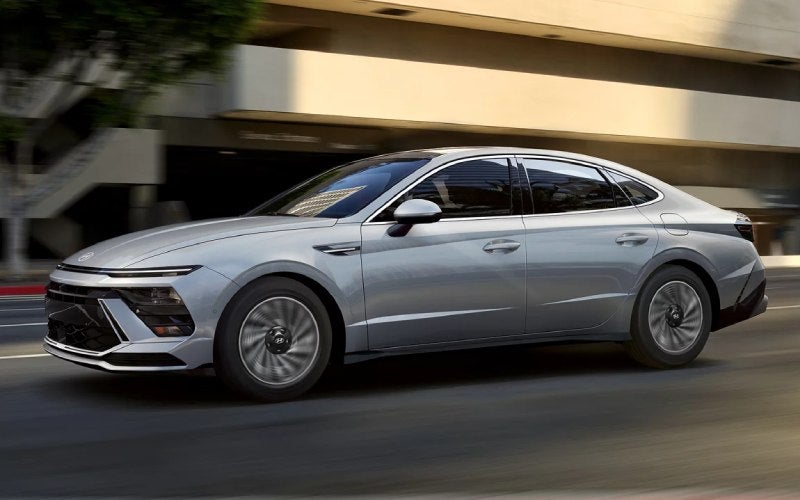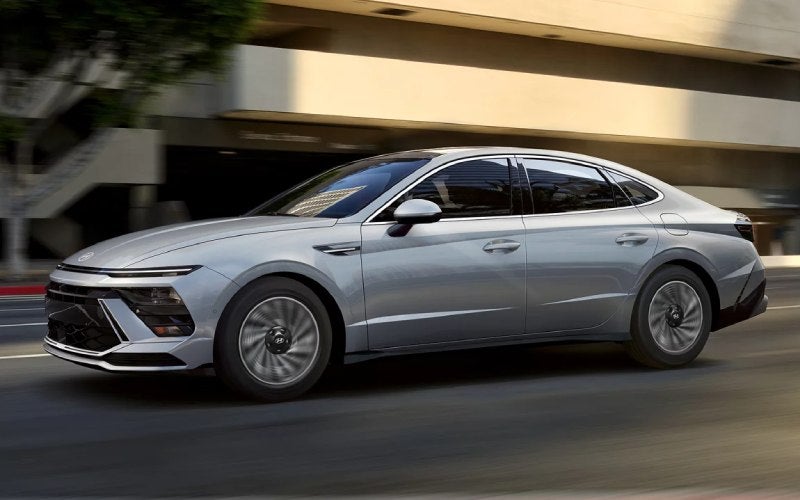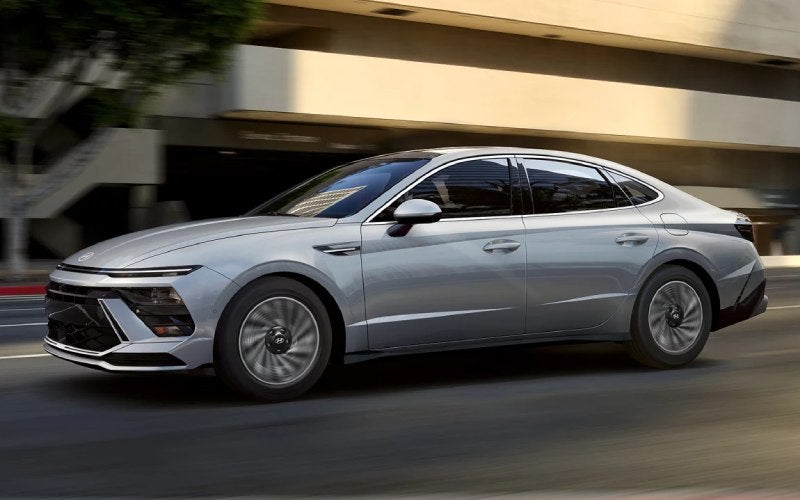



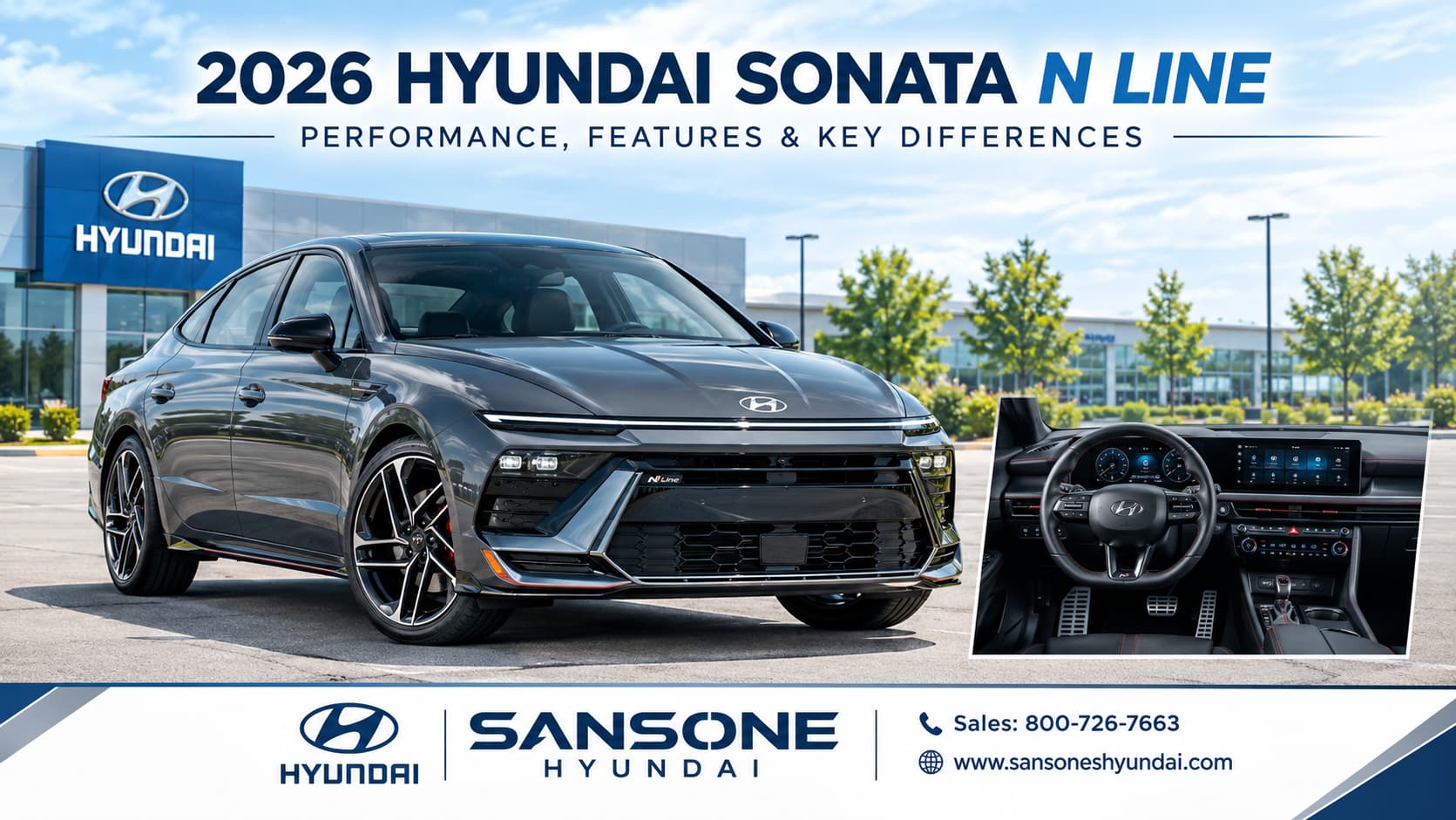
The 2026 Hyundai Sonata lineup spans six trims, and the N Line sits at the top of the gas-powered range. At $36,050 MSRP versus $27,450 for the base SE, the N Line carries an $8,600 higher starting MSRP. That's a meaningful gap. What exactly changes for that money, and is it worth it, depends entirely on what you're looking for in a midsize sedan.
Here's what the upgrade actually delivers, confirmed from official sources.
What Changes Under the Hood?
This is the most significant difference between the N Line and every other Sonata trim.
The standard Sonata SE and SEL Sport run a 2.5-liter naturally aspirated 4-cylinder producing 191 horsepower at 6,100 RPM and 181 lb-ft of torque at 4,000 RPM, paired with a conventional 8-speed automatic transmission.
The 2026 Sonata N Line replaces that entirely with a 2.5-liter turbocharged 4-cylinder producing 290 horsepower at 5,800 RPM and 311 lb-ft of torque at 1,650–4,000 RPM, a 99 hp and 130 lb-ft jump. That torque peak beginning at just 1,650 RPM means the power arrives immediately from low speeds, not after the engine has had time to spool.
The transmission is also different. The N Line uses Hyundai's N 8-speed Wet Dual Clutch Transmission (DCT) with steering wheel paddle shifters, not a conventional torque-converter automatic.
A wet DCT uses fluid cooling to manage heat during high-demand driving, delivering faster gear changes than a traditional automatic at the cost of a slightly different feel at low speeds compared to a conventional unit. The N Line is FWD only, all-wheel drive is not available on this trim.
What Else Changes Beyond the Engine?
The powertrain is the headline change, but the N Line also receives a distinct set of chassis, exterior, and interior upgrades that aren't available on any other Sonata trim.
Chassis and steering
The N Line uses a sport-tuned suspension and Rack-mounted Motor-Driven Power Steering (R-MDPS), replacing the column-mounted MDPS found on every other Sonata trim. R-MDPS provides more direct steering feedback by placing the motor closer to the rack. The result is a measurably sharper steering response that drivers transitioning from the standard Sonata will notice immediately.
Wheels and tires
The N Line uses 19-inch N Design alloy wheels with 245/40R19 tires, compared with 16-inch wheels and 205/65R16 tires on the SE.
Exterior
N unique front fascia, N unique rear fascia, twin-tip dual exhaust, gloss black side mirrors, gloss black window surround moldings, and gloss black exterior door handles.
Interior
N unique sport front seats with microfiber inserts, a 12.3-inch fully digital LCD instrument cluster , ambient lighting in 64 colors, aluminum sport pedals, and a leather-wrapped N unique sport steering wheel.
Additional N Line Technology
Navigation, Bose premium audio with 12 speakers, Hyundai Digital Key 2 Premium, Highway Driving Assist (HDA), Hyundai Pay, and auto-dimming rearview mirror, none of which are available on the SE or SEL Sport.
Safety
The N Line includes standard driver-assistance features such as Forward Collision-Avoidance Assist, Lane Keeping Assist, Blind-Spot Collision Warning, Smart Cruise Control with Stop & Go and Rear Occupant Alert. It also includes Highway Driving Assist.
Is the N Line Worth the $6,900 Upgrade?
The honest answer splits cleanly by buyer type.
The N Line is worth it if:
The turbocharged engine and DCT are a meaningful upgrade in your day-to-day driving, not just spec sheet numbers but the sensation of 311 lb-ft arriving at 1,650 RPM in urban and highway traffic
You want the R-MDPS steering feel, sport suspension tune, and 19-inch performance tires as a daily experience
The technology package, Bose audio, digital cluster, HDA, and navigation represent features you'd otherwise pay for separately
Fuel economy is not the primary consideration
The standard Sonata makes more sense if:
Fuel economy matters, the SE's 32 MPG combined versus the N Line's 27 MPG combined is a consistent annual savings
Your driving is primarily highway commuting where the performance differential is less noticeable
Both come with Hyundai's 10-year/100,000-mile Powertrain Limited Warranty for the original owner, covering the turbocharged engine on the N Line at the same terms as the naturally aspirated engine on every other gas trim.
Check Current Sonata N Line Inventory at Sansone Hyundai
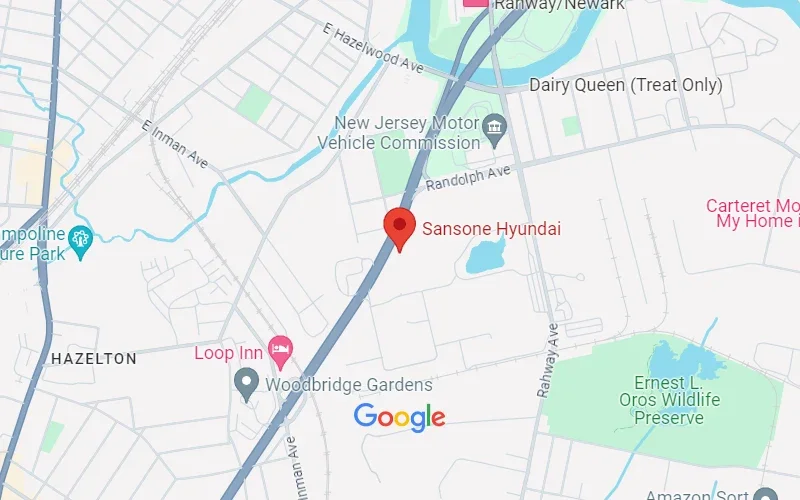
Check the latest Sonata inventory at Sansone Hyundai in Woodbridge, NJ, including N Line and standard trim configurations. A back-to-back test drive of the SE and N Line is the most practical way to decide whether the powertrain and chassis difference justifies the premium for your driving.
FAQs
What engine does the 2026 Hyundai Sonata N Line have?
The N Line uses a 2.5-liter turbocharged 4-cylinder producing 290 horsepower at 5,800 RPM and 311 lb-ft of torque at 1,650–4,000 RPM, paired with an N 8-speed Wet Dual Clutch Transmission with paddle shifters. All specs confirmed from hyundaiusa.com.
How much more does the Sonata N Line cost than the standard Sonata?
The 2026 Sonata N Line starts at $36,050 MSRP. The base SE starts at $29,150 MSRP, a difference of $6,900 at the starting trim level.
What is the fuel economy of the 2026 Sonata N Line?
The N Line is EPA-estimated at 23 MPG city, 32 MPG highway, and 27 MPG combined. The base SE is rated at 28 city, 38 highway, and 32 combined.
Does the Sonata N Line have AWD?
No. The 2026 Sonata N Line is front-wheel drive only. AWD is available on the SEL and SEL Sport trims within the gas Sonata lineup.
What safety features come standard on the 2026 Sonata N Line?
The N Line includes the full Hyundai SmartSense suite, Forward Collision-Avoidance Assist, Lane Keeping Assist, Blind-Spot Collision Warning, Smart Cruise Control with Stop and Go, and Rear Occupant Alert, plus Highway Driving Assist (HDA), which is not available on lower trims.